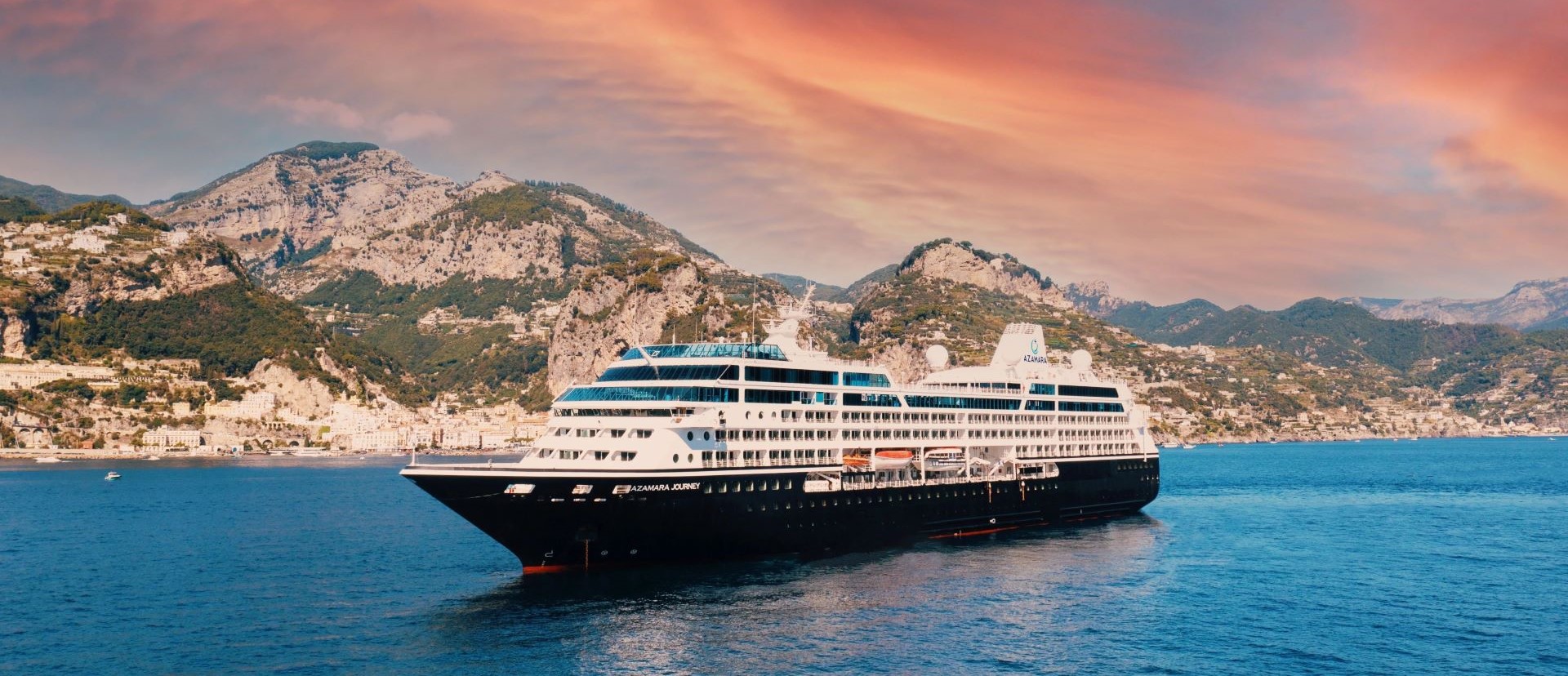

The History of Azamara Cruises: How a Boutique Brand Redefined Luxury Sea Travel
In an industry dominated by massive mega-ships carrying thousands of passengers, Azamara Cruises carved out a unique legacy by going against the grain. Known today for its immersive destination-focused voyages and intimate atmosphere, the story of Azamara is a fascinating journey of evolution, rebranding, and strategic triumph.

2007: The Accidental Birth of Azamara
The story of Azamara began somewhat unexpectedly in 2007. Originally, the cruise giant Royal Caribbean Cruises Ltd. (RCL) had acquired two classic R-class vessels, R Six and R Seven, from the defunct Renaissance Cruises. The initial plan was to add these ships to Celebrity Cruises’ sub-brand fleet as Celebrity Journey and Celebrity Quest.
However, executives quickly realized that these intimate, 700-passenger ships offered an entirely different, more exclusive vibe than the rest of the Celebrity fleet. Instead of forcing them into an existing mold, RCL made a bold move: they launched a brand-new, standalone cruise line called Azamara Cruises in May 2007, with Azamara Journey and Azamara Quest as its founding ships.
What’s in a Name? The name Azamara was drawn from the words Azul (blue) and Mar (sea). It was also inspired by a star, Acamar, symbolizing a guiding light for travelers looking to navigate the world.
2010: The Rebranding and “Destination Immersion®”
In 2010, the cruise line underwent a vital evolution, rebranding itself as Azamara Club Cruises. This wasn’t just a name change; it introduced a revolutionary concept to the cruise industry: Destination Immersion®.
While other cruise lines focused on building larger onboard water parks and theaters, Azamara decided to focus on what was outside the ship. They shifted their itineraries to feature:
- Late-night departures and overnight stays in ports.
- The introduction of AzAmazing Evenings®—exclusive, complimentary night-time cultural events on land for guests.
- A more all-inclusive model, covering onboard gratuities and select beverages.
This pivot turned Azamara into a cult favorite among culturally curious and affluent travelers who preferred exploring local heritage over standard tourist attractions.
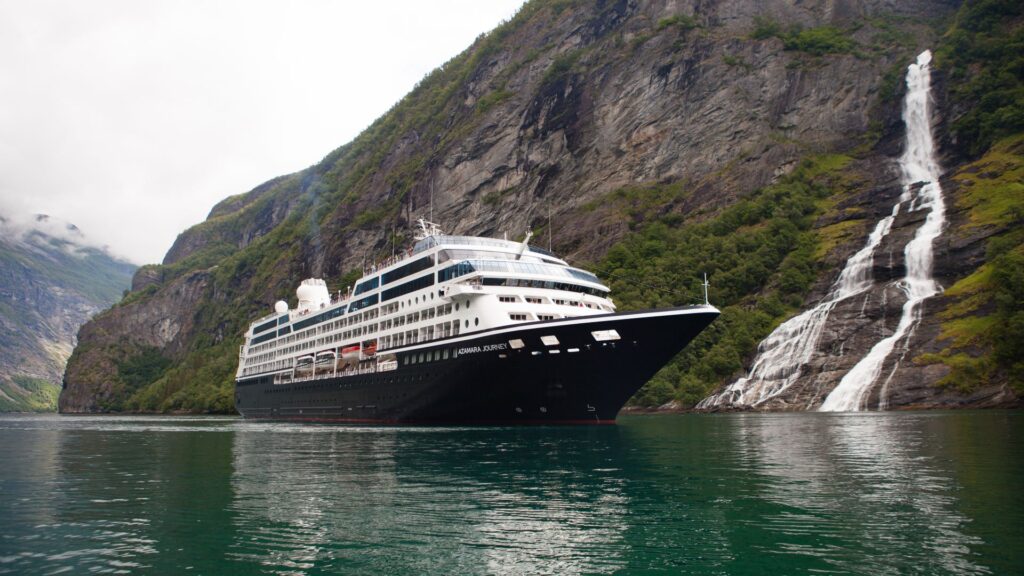
2018–2021: Fleet Expansion and a New Era of Independence
For over a decade, Azamara operated successfully as a two-ship line. That changed in 2018 when the company acquired a third sister ship, renaming her Azamara Pursuit. This allowed the brand to expand its global reach, adding deeper itineraries into South America and Africa.
The biggest turning point in Azamara’s history came in early 2021. Royal Caribbean decided to sell the Azamara brand to Sycamore Partners, a private equity firm, for $201 million.
Transitioning into a fully independent cruise line, the brand shortened its name back to Azamara. The new ownership immediately demonstrated its commitment to growth by purchasing a fourth R-class ship, which debuted in 2022 as Azamara Onward.
AZAMARA TODAY
Today, Azamara stands proud as a four-ship powerhouse of boutique cruising. By maintaining a fleet entirely composed of beautifully modernized R-class ships, Azamara preserves the rare, club-like camaraderie that modern mega-ships have lost. From an unexpected corporate pivot in 2007 to an independent pioneer of deep destination travel, Azamara continues to prove that sometimes, smaller really is better.